CATS · THE PETYARNS EDIT
Petting Your Cat: Invite Contact, Pause, and Notice the Response
Pair this guide with building an indoor cat-play routine.
Affection does not have to mean picking up your cat or continuing a long cuddle. A brief, welcome interaction can become a better everyday habit.
Begin with an invitation
Choose a quiet moment when your cat is awake. Sit nearby without blocking their route or reaching into a hiding place. Let your cat decide whether to approach. A cat remaining across the room has not failed the interaction; you can enjoy sharing the space without touching.
Try leaving your hands still before offering a gentle invitation. Keep your face at a comfortable distance and avoid crowding the cat. This is an opportunity to notice their preference, not a technique for making a reluctant cat accept affection.
Start small and pause
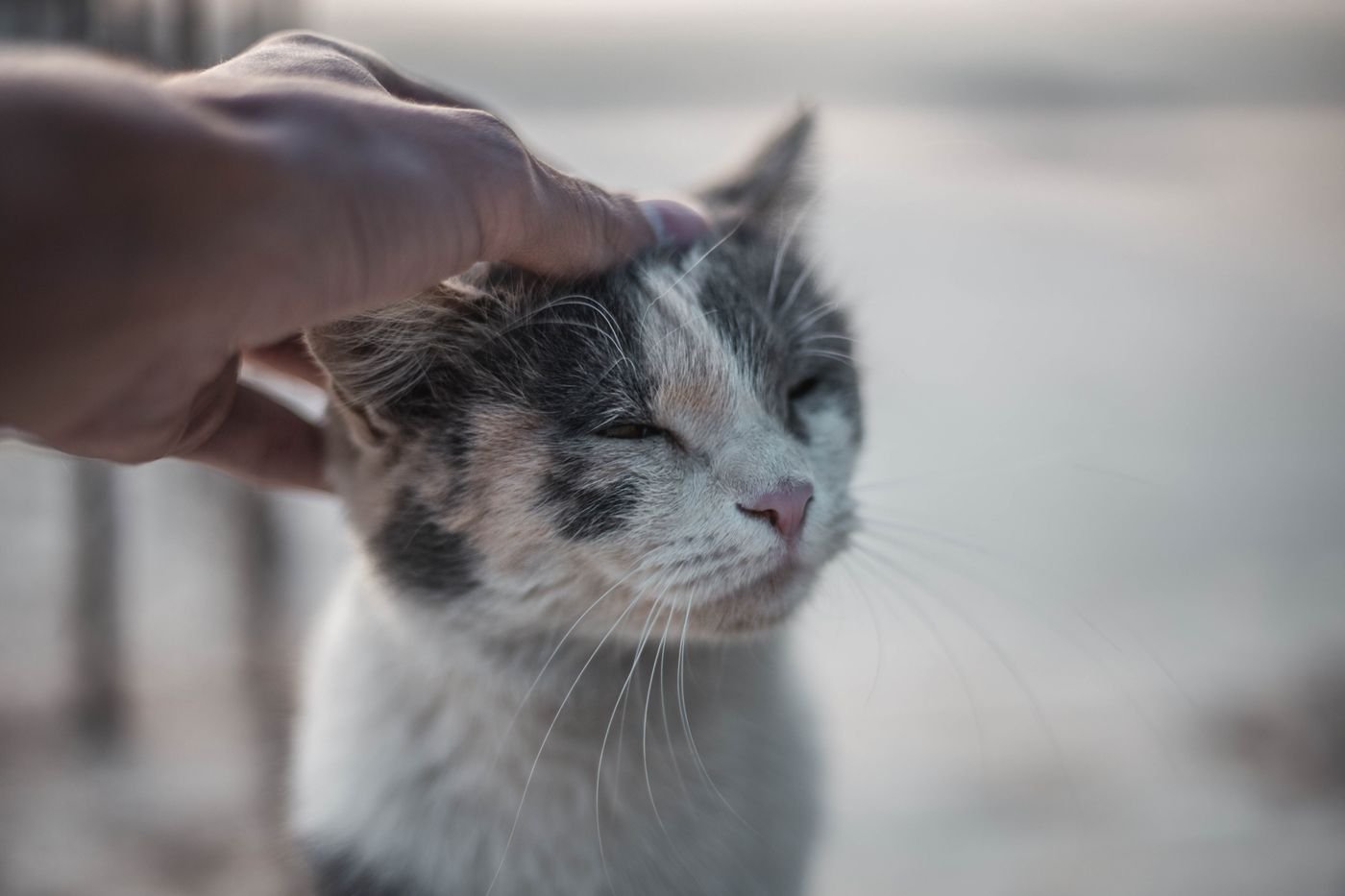
Cat Friendly Homes, developed by feline veterinarians, recommends allowing cats to approach and tailoring handling to their tolerance. Many cats prefer gentle contact around the head and cheeks; individual preferences still matter. Begin with a brief touch only when it is welcome, then pause.
Notice what happens next. Does your cat approach again, remain comfortably nearby, or move away? Stop when they disengage. One successful brief interaction is enough; you do not need to keep testing how long they will tolerate contact.
Look at the whole interaction
Tail movement, ears, posture, and movement away can help you notice discomfort. Do not interpret one isolated signal as a complete diagnosis of your cat’s mood. If the interaction becomes tense, stop touching and give space rather than trying to finish the cuddle.
A belly-up posture does not automatically invite a belly rub. Avoid holding the cat in place to prevent departure. Keep play separate from petting so hands do not become the object of chasing and grabbing.
Give the household one clear rule
Use a simple reminder: “Invite, touch briefly, pause.” Explain it to visiting adults before they approach your cat. For children, model gentle behavior and supervise directly; an adult should manage the situation rather than assigning a child responsibility for reading every signal.
Let guests know which places are the cat’s retreats. If the cat is resting there, leave them alone. A small sign or a short conversation is often easier than correcting enthusiastic visitors after they have already reached into a bed.
Write down preferences without turning them into labels
Try a short note: “Approached the sofa, liked two cheek strokes, then walked away.” That observation is more useful than calling the cat unfriendly. Preferences can vary with context, so yesterday’s cuddle does not guarantee today’s.
If a normally affectionate cat suddenly avoids touch, reacts sharply, or seems uncomfortable, ask your veterinarian about the change. Do not repeatedly handle a painful-looking area to check it. Everyday affection should leave both you and your cat comfortable, with the freedom to finish when the moment is over.
Sources and further reading
Sources reviewed October 1, 2026. Practical household examples are Petyarns editorial suggestions.
#Cats #CatCare #Petyarns
KEEP READING