DOGS · THE PETYARNS EDIT
Dog Recall Practice: Make Coming Back Worthwhile
Pair this guide with preparing short dog-training sessions.
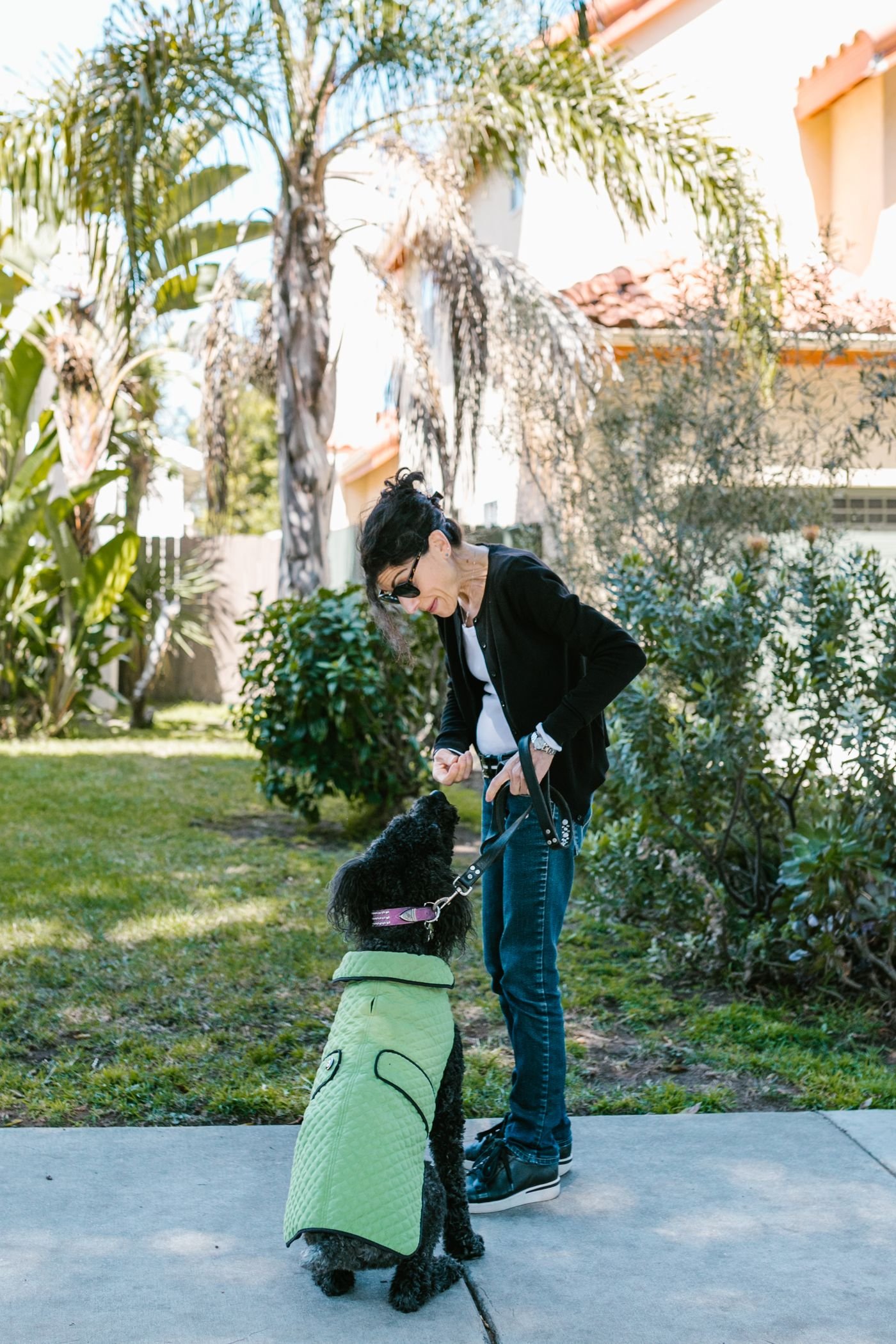
A useful recall starts with a small promise: coming back to you leads to something your dog enjoys. Build that habit in easy settings before asking for it around bigger distractions.
Choose one cue and one easy starting point
Pick a short phrase everyone can use consistently, such as “Buddy, come!” Start in a quiet room with your dog nearby and already interested in you. Prepare a suitable reward before you call, rather than searching a cupboard after the dog arrives. A favorite toy can be an option when food does not fit the moment.
The American Veterinary Society of Animal Behavior recommends reward-based training. Its recall guidance emphasizes consistent cues, appealing rewards, and gradually more challenging settings. A successful practice round is a learning opportunity, not proof that your dog is ready to run loose.
Try a tiny indoor game
Stand a few steps away, say your cue once in an upbeat voice, and reward your dog when they reach you. Pause before trying again. With two adults, take turns calling across a small room; agree beforehand who will call so the dog does not hear competing instructions.
Make a simple practice card with three boxes: location, distance, and response. “Kitchen, three steps, came immediately” gives you a usable starting point. If your dog does not respond, shorten the distance or choose a quieter moment. Repeating the cue louder does not make the setup easier.
Change one thing at a time
Try a different room before adding a greater distance. Later, move to a secure enclosed outdoor space and keep the first attempts close. An unfamiliar place can make an apparently familiar exercise feel new.
For practice outside an enclosure, retain physical control with suitable walking equipment. If using a long line, ask a qualified reward-based trainer to help you handle it safely; avoid roads, crowded paths, and tangles around people or dogs. This article is not an off-leash readiness test.
Protect the meaning of coming back
Avoid punishing your dog after they return, even if the return took longer than you hoped. Do not make every call the announcement that an enjoyable activity is ending. Sometimes reward the return and then allow a safe activity to continue.
Keep a few ordinary practice opportunities separate from situations where you urgently need control. Doors, gates, and leash management still matter while a cue is developing. Training adds a skill; it does not replace a secure environment.
Review before making the next step harder
After a few sessions, compare your notes. Which room was easiest? Did a visitor or new sound change the response? Use those observations to plan the next achievable setup, rather than setting a deadline for perfect recall.
If your dog repeatedly struggles, a qualified reward-based trainer can help adjust the exercise. Sudden changes in hearing, movement, or willingness to engage deserve a veterinary conversation. End ordinary practice while it is still easy and enjoyable.
Sources and further reading
Sources reviewed October 1, 2026. Practical household examples are Petyarns editorial suggestions.
#Dogs #DogTraining #Petyarns
KEEP READING