DOGS · THE PETYARNS EDIT
Visitors and Dogs: Plan a Calmer Arrival Before the Doorbell
Pair this guide with preparing short dog-training sessions.
The moment a guest opens the door is a busy time to invent a dog-training plan. Prepare the space, the people, and an easier rehearsal before a real visit.
Separate arrival from greeting
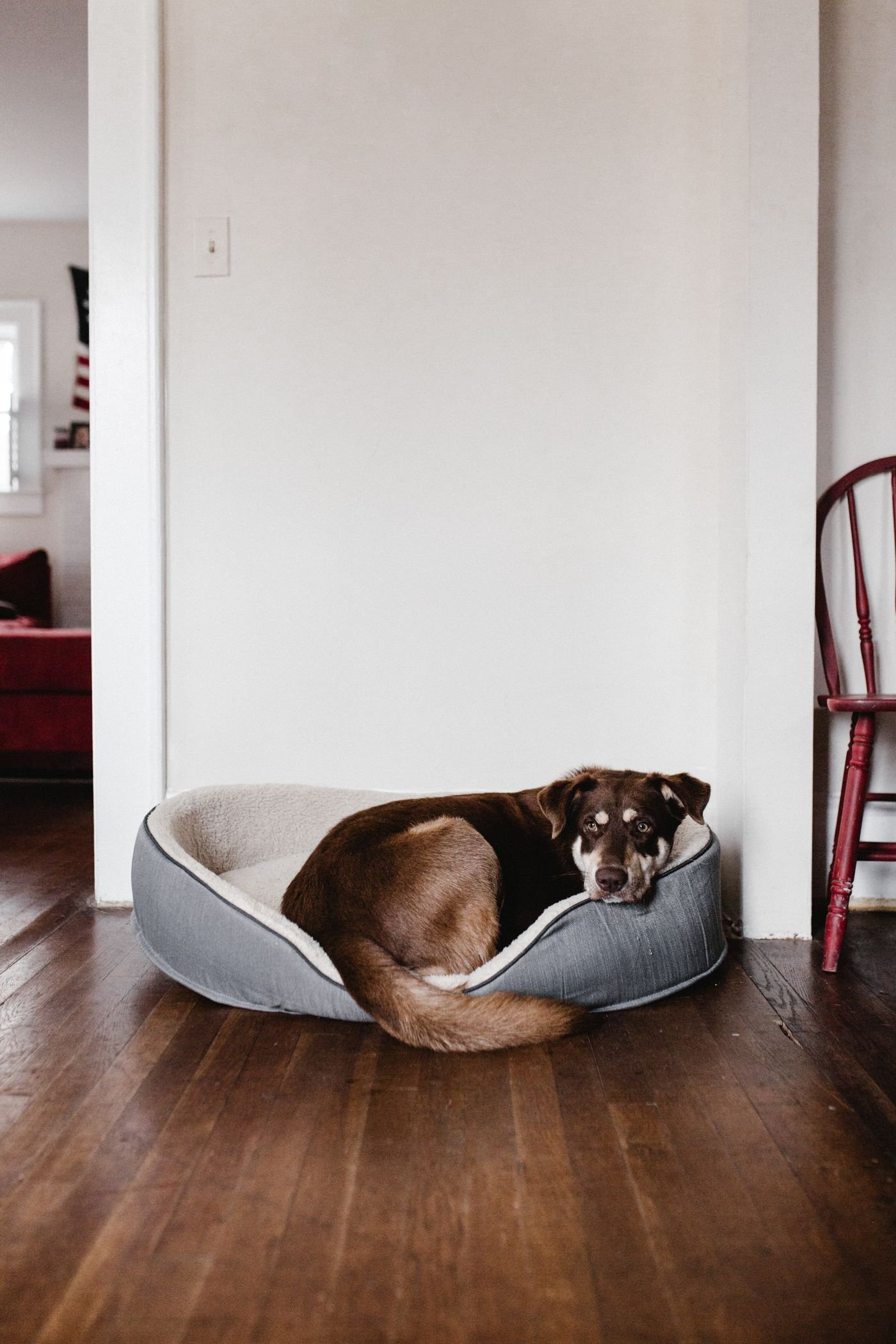
Decide who will answer the door and who will manage your dog. Arrange a safe, comfortable space away from the doorway before the guest arrives. A secure gate or familiar separate room may help when your dog is comfortable there. Check that the barrier actually prevents access to the open exterior door.
Let visitors know the plan in advance: “Please wait while I settle the dog, then come inside.” Deliveries and brief appointments can stay brief; your dog does not need to meet every person who enters.
Rehearse when nobody is waiting
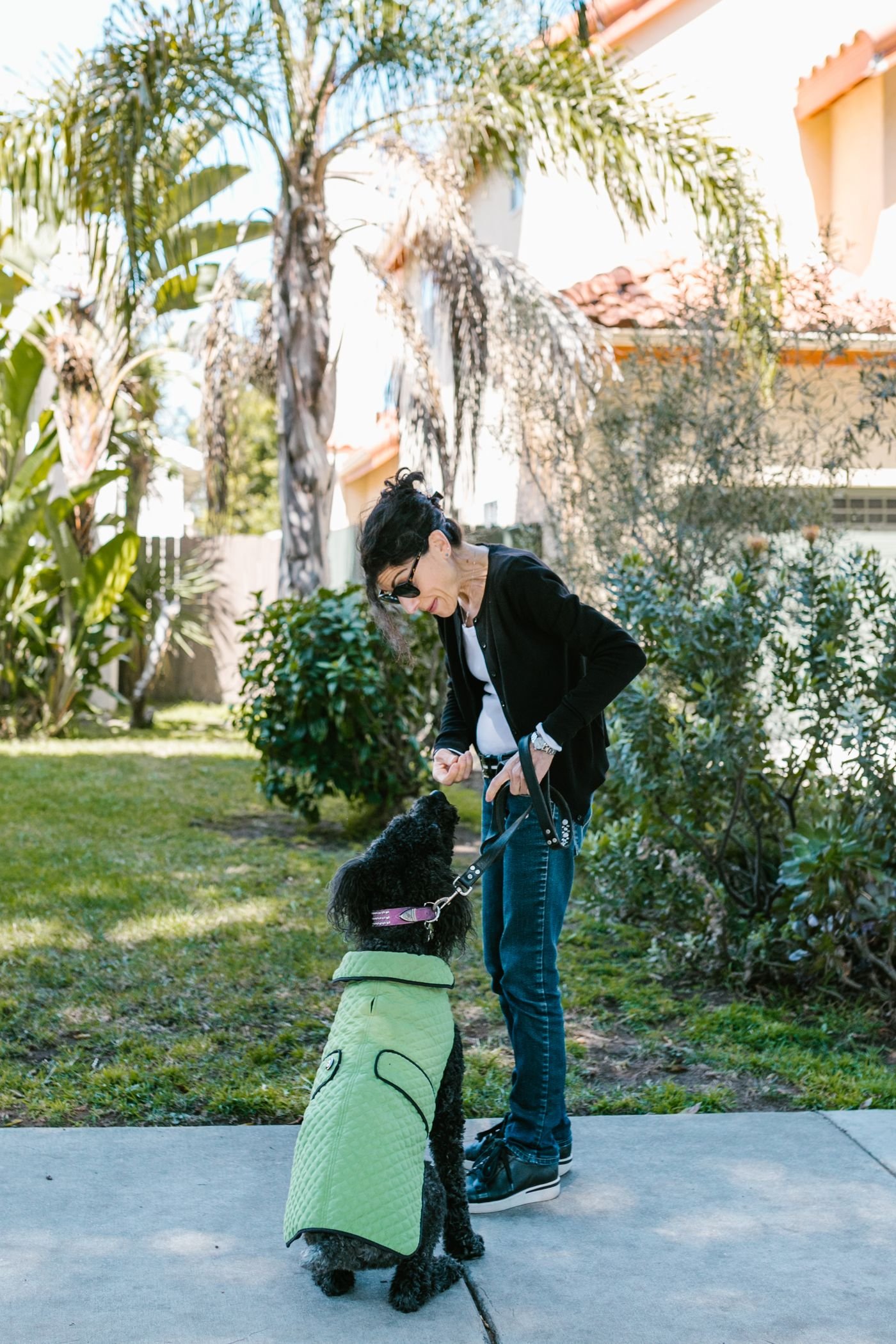
Start with an adult household member moving toward the closed door while another rewards your dog for an easy familiar behavior, such as standing with four paws on the floor or going to a mat. Keep the first rehearsal simple enough that the door remains closed.
Write the steps on a note by the entrance: secure the dog, open the door, welcome the guest, check the dog. This is a household sequence, not a test of obedience. Agree on the sequence so one person is not releasing the dog while another is still opening the door.
Reward something your dog can do
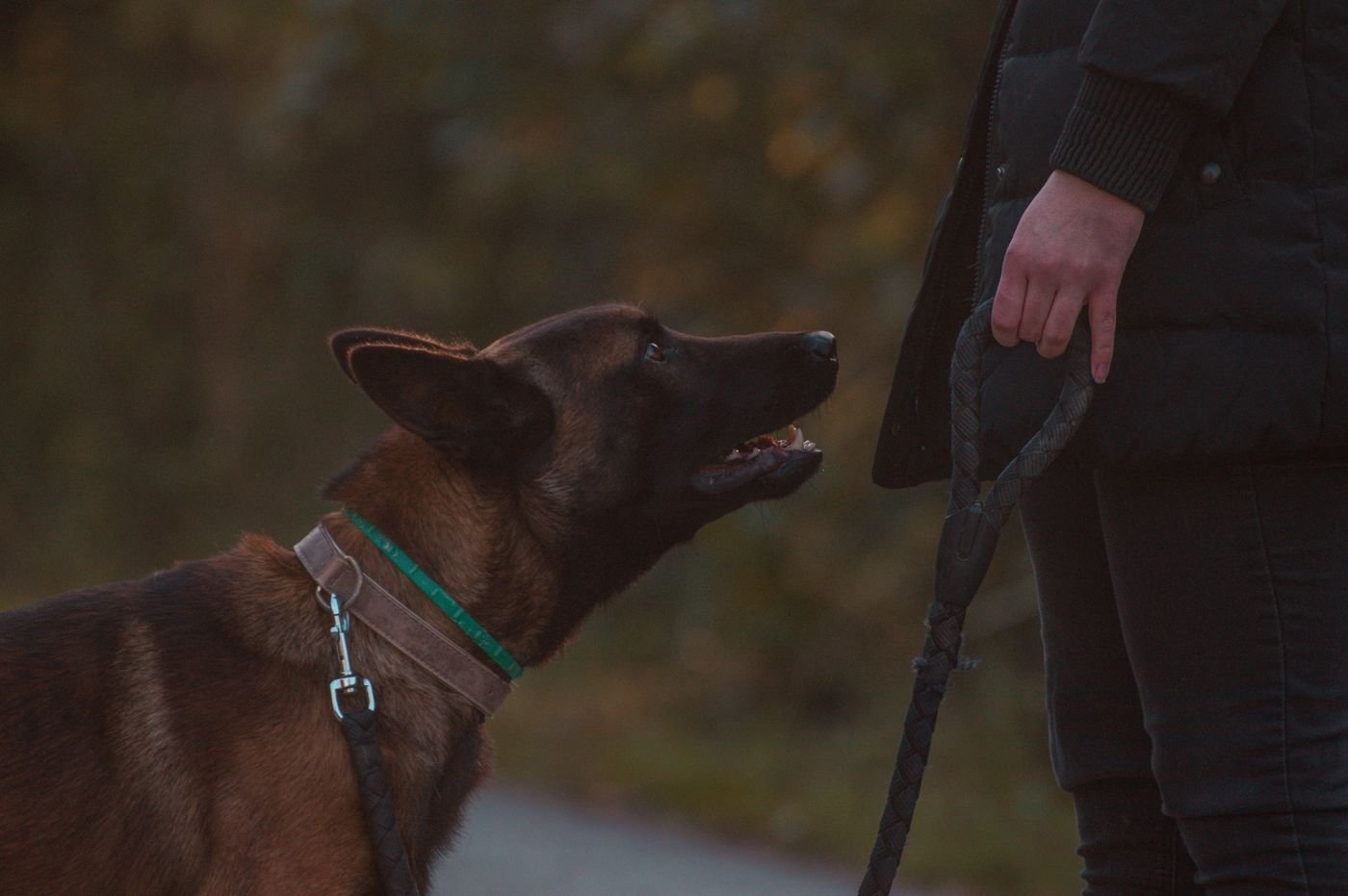
The American Veterinary Society of Animal Behavior recommends reward-based methods. Its discussion of natural rewards explains that enjoyable activities, as well as food, can reinforce behavior. Choose a reward that suits your dog and the setting; an energetic game may be a poor fit beside a fragile hallway table.
Practice an achievable action away from arriving guests first. Avoid yelling, leash corrections, or pushing the dog into position. If the setup is too exciting for familiar skills, increase distance and make the next attempt easier.
Give visitors useful instructions
A short script helps: “Please leave the dog alone for now. I’ll tell you if a greeting makes sense.” Ask guests not to reach through gates, lean over the dog, or encourage jumping. Supervise children actively and use safe separation rather than expecting them to manage the interaction.
A friendly-looking dog can still prefer space. Allow the dog to move away, and make a quiet retreat available. If a greeting is appropriate, keep it brief and stop if either the dog or visitor seems uncomfortable.
Choose a realistic measure of progress
Keep a note of one observable success: the door stayed secure, the guest followed instructions, or your dog remained comfortable at a greater distance. Those details help you refine the plan without expecting every visit to look identical.
For fear, growling, lunging, or a bite history, skip casual greeting experiments and seek veterinary and qualified behavior support. Never punish a growl. Management and a tailored professional plan are more useful than repeatedly putting a worried dog into a difficult arrival.
Sources and further reading
Sources reviewed October 1, 2026. Practical household examples are Petyarns editorial suggestions.
#Dogs #DogTraining #Petyarns
KEEP READING